One operation.
Younger for good.
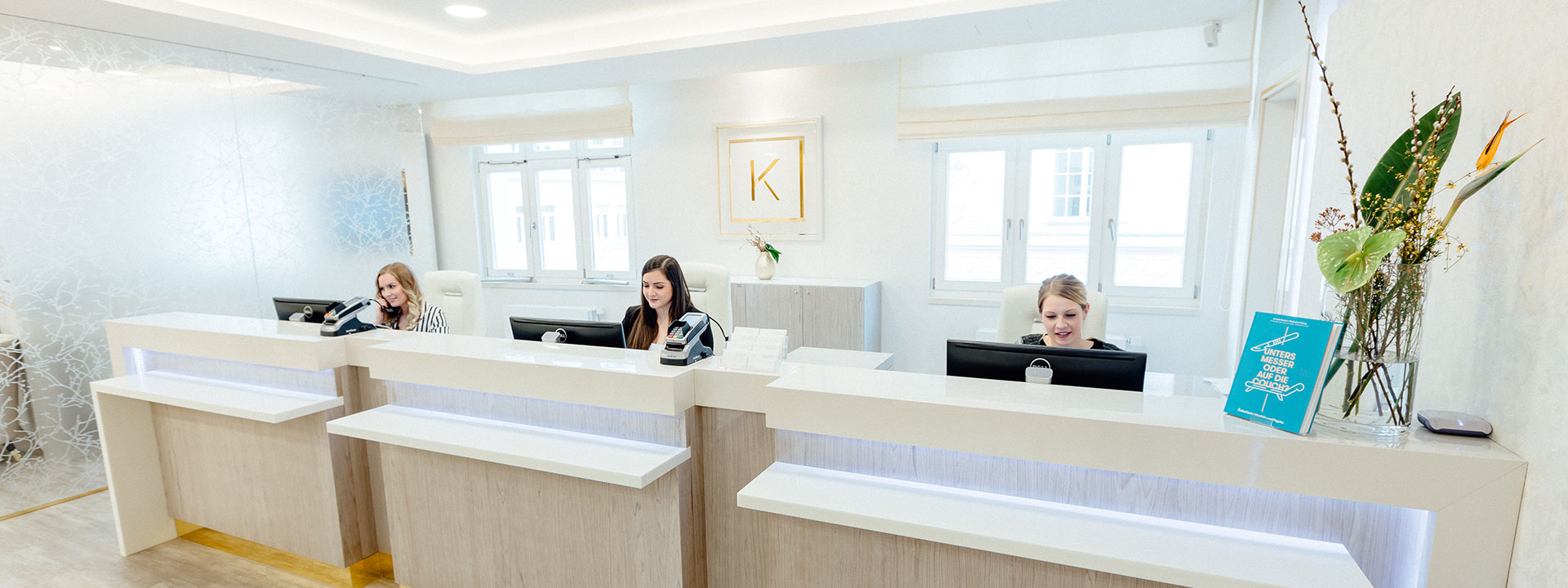
At the Kuzbari Centre aftercare does not end with the last check-up. We look after our patients for years after the procedure — because a good result must still hold up in ten years' time.

After your facelift — how to support the healing.
Careful aftercare is the key to a perfect facelift result. At the Kuzbari Centre for Aesthetic Medicine we accompany you not only during the operation but also through the recovery phase. With these clear behavioural measures you promote rapid healing and a natural, radiant result.
Support far beyond the first weeks.
Immediately after the operation you usually spend two nights in your own patient room. You are checked regularly by the nursing team and the surgeons and receive a direct emergency number for the first 7 days — available 24/7.
In the following weeks we see you regularly for check-ups. Swelling subsides, the tissue “settles” — we accompany the healing process closely. After three months we see you for the first photographic check, after six months for an assessment.
Afterwards, too, we remain your point of contact. If you have questions years later — about skin care, a second procedure, further ageing — we are here for you. That is the Kuzbari Experience.

Aesthetic Insights · Dr Kuzbari
Incision lines & healing.
Aftercare at the Kuzbari Centre
| Skin care | Make-up after suture removal, protect wounds for 2 weeks Wash hair from day 2 with baby shampoo |
|---|---|
| Activity | No sport for 6 weeks, no swimming for 1 month Rest promotes healing |
| Diet & nicotine | Soft food for 1 week, no acidic foods for 10 days Avoid nicotine 4 weeks before and 3 weeks after surgery |
| Sun protection & check-ups | No heat for 2 months, protect scars with SPF 50 for 12 months Keep check-up appointments, contact your doctor if symptoms occur |
Four areas that carry your healing
-
Make-up and skin care
Once the skin sutures have been removed you may use make-up — the wounds, however, should not come into contact with it during the first two weeks. Showering is possible from the second day; hair can be washed gently with baby shampoo once the dressing has been removed. A conditioner is permitted.
-
Physical activity and rest
Allow yourself rest and avoid physical exertion. Sport is off limits for six weeks, swimming for at least a month. This supports smooth healing and minimises swelling.
-
Diet and nicotine
In the first week avoid foods that require intensive chewing, and in the first ten days avoid acidic or irritating foods such as citrus fruits. Smoking and nicotine-containing products (chewing gum, patches) should be avoided four weeks before and three weeks after the operation, as they impair circulation and delay wound healing.
-
Sun protection, scar care and check-ups
Protect the surgical scars for twelve months with sunscreen (SPF 50) and avoid sunbathing, solariums or saunas for two months. Special scar ointments are not necessary. Keep all check-up appointments and contact us immediately if unusual symptoms occur such as fever, redness or severe pain.
Dr Kuzbari explains
What matters after a facelift.
Aftercare following a facelift
How long does healing take after a facelift?
The first days after surgery are usually marked by swelling and occasionally bruising. These generally subside markedly within 2 to 3 weeks. Many patients feel presentable again after about 3 to 4 weeks. The final result, however, develops over several weeks to months as the tissue stabilises completely.
When may I use make-up again after a facelift?
Make-up may generally be used once the skin sutures have been removed. It is important, however, that the surgical wounds do not come into direct contact with make-up during the first two weeks. This supports optimal wound healing and reduces the risk of irritation or infection.
When may I wash my hair again?
Three days after surgery the hair can already be washed carefully. Vigorous rubbing or intense heat from a hairdryer or styling devices should be avoided in the first weeks.
When may I do sport again?
Physical exertion should be avoided in the first weeks, as it can increase swelling or impair wound healing. As a rule we recommend refraining from sport for about 2 to 4 weeks. Gentle walks, however, are possible early on.
When may I swim or use a sauna again?
Swimming should be avoided for at least a month. Heat exposure such as saunas, solariums or intensive sunbathing should be avoided for about 4 to 6 weeks. Heat can increase circulation and thereby prolong swelling.
How important is sun protection after a facelift?
The surgical scars should be consistently protected from the sun with sunscreen for about twelve months. We recommend daily use of a sunscreen with a high sun protection factor (SPF 50). This prevents the scars from pigmenting permanently darker.
Why should I avoid nicotine before and after surgery?
Nicotine constricts the blood vessels and can thereby impair the circulation of the tissue. Restricted circulation can delay wound healing and increase the risk of complications. We therefore recommend avoiding nicotine completely for four weeks before and at least three weeks after the operation.
Which diet is advisable after a facelift?
In the first week after surgery we recommend rather soft food that does not require intensive chewing. Strongly acidic or irritating foods such as citrus fruits should be avoided in the first ten days. A balanced diet supports the body's healing processes.
Which symptoms are normal after a facelift?
Swelling, a feeling of tightness, bruising or temporary numbness in certain areas of skin are normal after a facelift and part of the healing process. In most cases these symptoms subside markedly within a few weeks.
When should I contact the doctor after a facelift?
If unusual symptoms occur — such as sharply increasing pain, fever, pronounced redness or suddenly increasing swelling — you should contact your treating doctor immediately. Regular check-ups additionally help to monitor the healing process optimally.
We accompany you on your way.
-
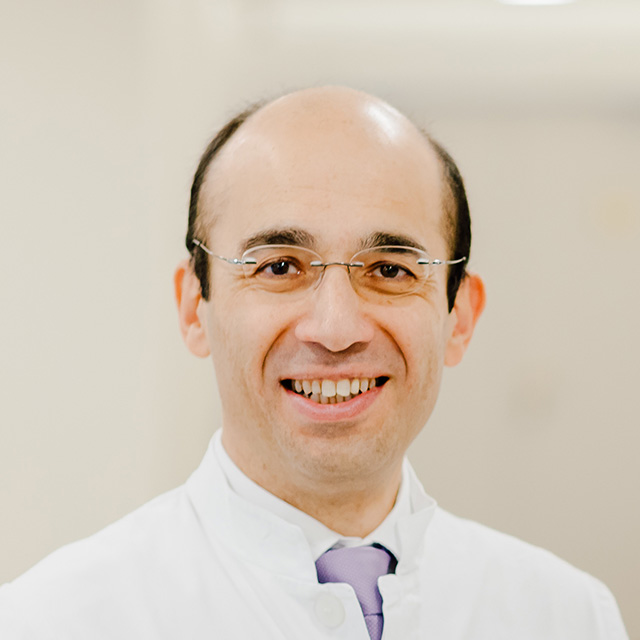
Assoc. Prof. Dr Rafic Kuzbari
Specialist in Plastic, Aesthetic and Reconstructive Surgery
Over 30 years of experience, internationally recognised expert in deep plane and revision facelifts.
-
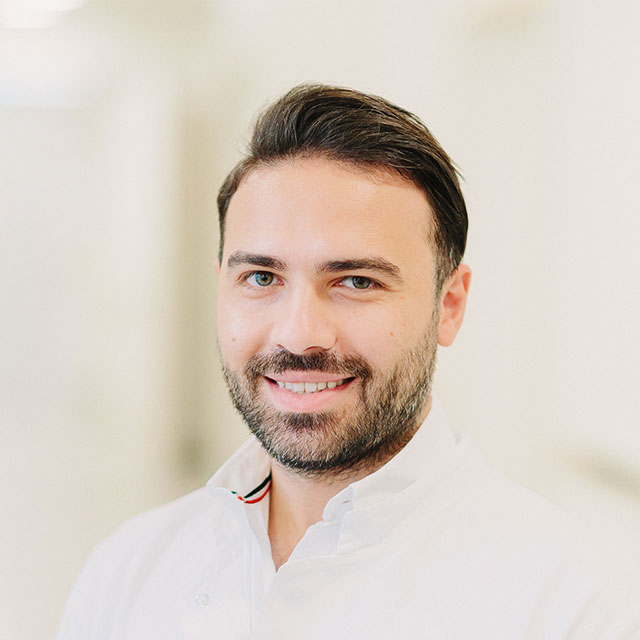
Dr Shawqi Arafat
Specialist in Plastic, Aesthetic and Reconstructive Surgery
Specialist in aesthetic facial surgery with a particular focus on neck lifts, fat grafting and preserving natural expression.