Which facelift method is the right one for you?
No two faces are alike, and just as differently as we look and age, so differently do the surgical methods turn out. In the first consultation we analyse your anatomy, your wishes and take a look at photographs from your youth — because only then can we rejuvenate without changing you.
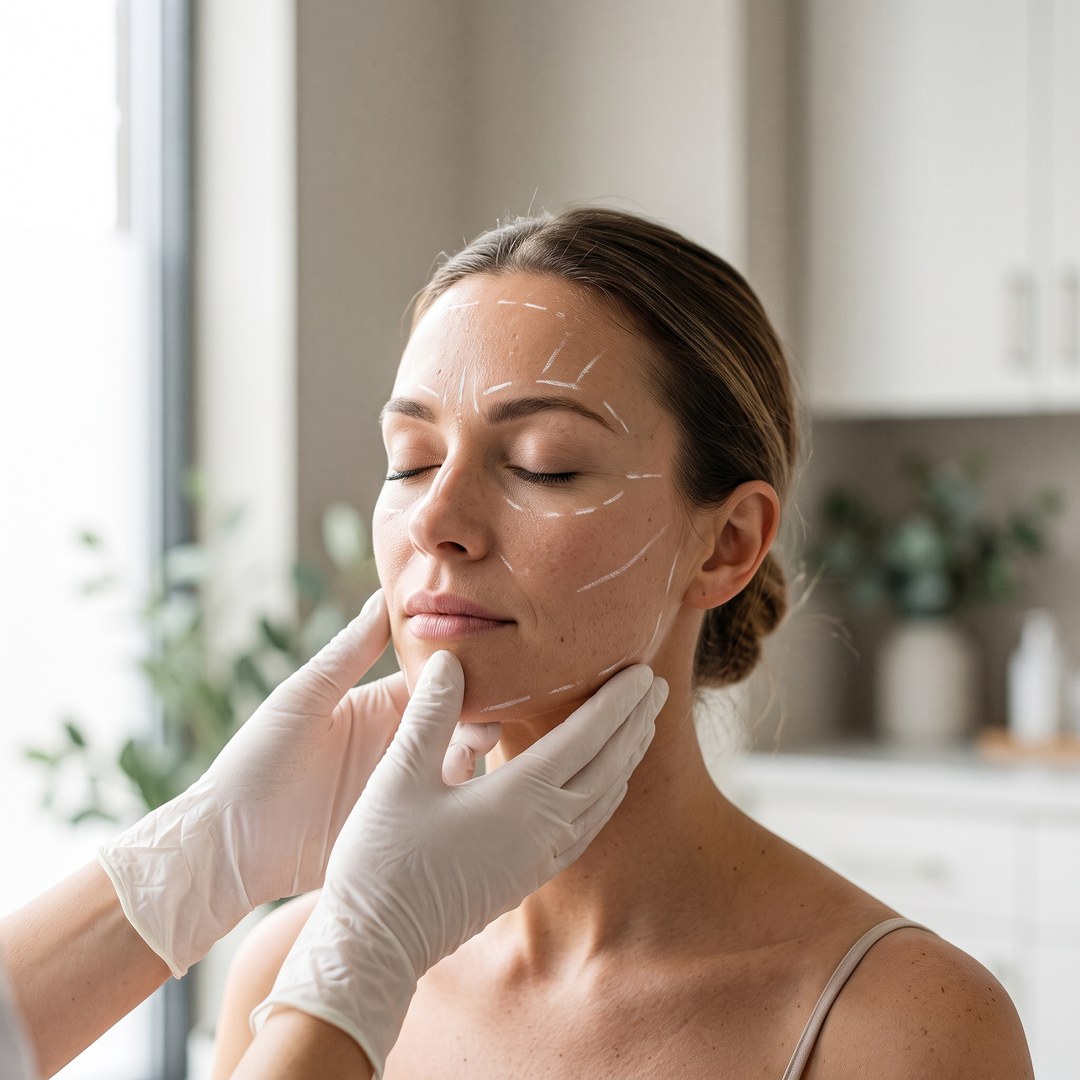
The most important techniques of facial rejuvenation at a glance
-
Deep Plane Facelift
The gold standard for natural, long-lasting results. Deep repositioning, no skin tension.
Learn more → -
SMAS Facelift
A proven standard technique in which the muscle and connective tissue layer is lifted.
Learn more → -
Extended & High SMAS
Extended variants for more pronounced tissue laxity and more complex anatomies.
Learn more → -
Modern surgery
What has fundamentally changed in the last 15 years — and why.
Learn more → -
Facelifting for women
Female facial ageing: different vectors, different accents, a different aim.
Learn more → -
Facelifting for men
Male anatomy demands its own incision lines, different tensions, its own measure.
Learn more → -
Combined procedures
Facelift with neck lift, eyelid lift, fat grafting — planned in a single operation.
Learn more → -
Aftercare
What happens after surgery — and why our aftercare does not end.
Learn more →
„A broad repertoire matters. Anyone who only owns a hammer will see nothing but nails.“


The method follows the anatomy — not the other way round.
In the first consultation we analyse several factors: skin thickness and elasticity, bone structure, the shift of volume in the face, patterns of expression, skin laxity on the neck — and we study photographs from your youth in order to reconstruct the vectors of the natural descent.
Only on this basis do we recommend a particular technique. In most cases that is the deep plane facelift — but for some anatomies other methods are better suited. We take the time for an honest, individual recommendation.

Aesthetic Insights · Dr Kuzbari
Who is a facelift suitable for?

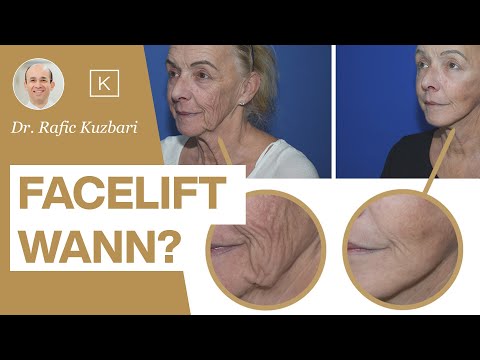
Dr Kuzbari explains
The right moment for a facelift.
How to recognise a poor facelift — and how we avoid one.
Many people have well-founded reservations about facial surgery, because there are repeated examples of unnatural, mask-like results. The most common causes are skin that is pulled too tight, insufficient tightening of the deep connective tissue, a wrong direction of pull, incorrectly placed scars, failing to correct age-related volume loss, and lifting the face in isolation without considering neck and eyelids.
These mistakes leave the typical stigmata of a poor facelift: unnatural features, mouth corners drawn sideways, earlobes pulled downwards, an unnatural hairline, visible scars. All of this is avoidable with careful planning and the right surgical technique — and that is precisely the difference that years of specialisation make.

Dr Kuzbari explains
How long does a facelift last?
Patients report — real results
Open conversations and results from the Kuzbari Centre — from the first month to six months after a face and neck lift.
-

79 years old — deep plane facelift after 1 month
-

Six months later — naturally fresher
-

What a facelift really looks like after 1 month
Genuine facelift results from the Kuzbari Centre
Three documented cases — one click opens the full gallery with a description of the concern and the operation performed.
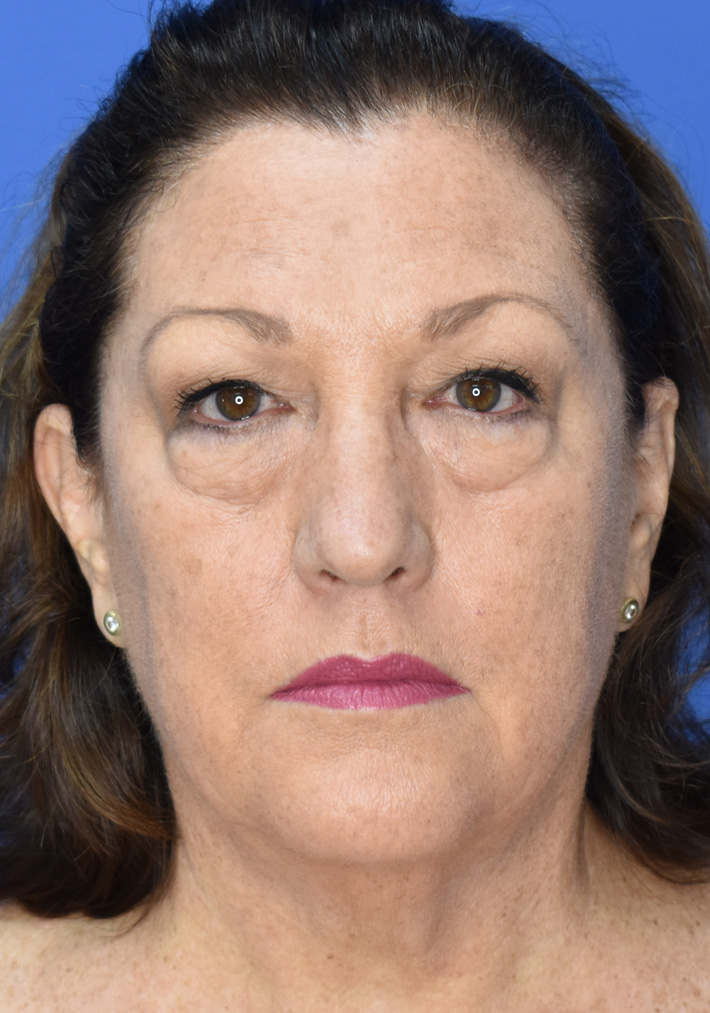
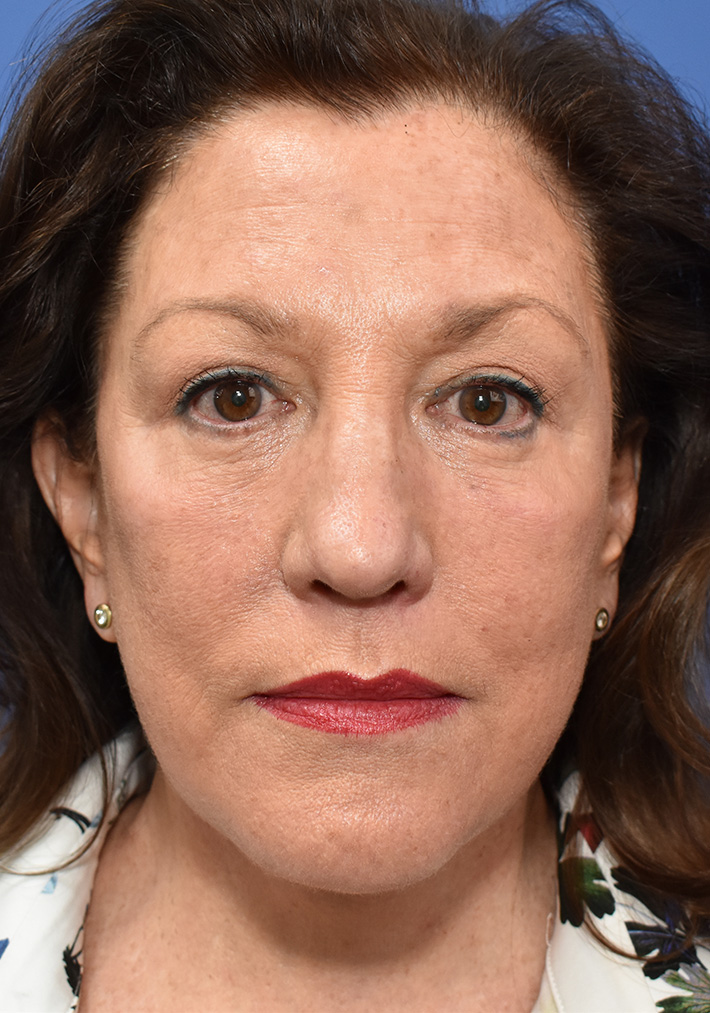


Our facelift specialist
-
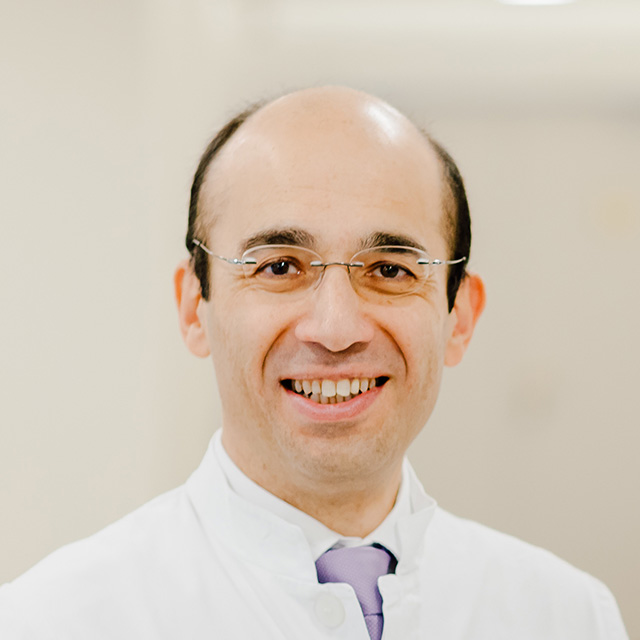
Assoc. Prof. Dr Rafic Kuzbari
Specialist in Plastic, Aesthetic and Reconstructive Surgery
Over 30 years of experience, internationally recognised expert in deep plane and revision facelifts.
-

Dr Shawqi Arafat
Specialist in Plastic, Aesthetic and Reconstructive Surgery
Specialist in aesthetic facial surgery with a particular focus on neck lifts, fat grafting and preserving natural expression.