Extended lifting techniques for more complex anatomies.
When the classic SMAS lift is not enough, extended techniques come into play: extended SMAS reaches further into the cheek region, high SMAS also addresses the temple and midface zone. Which variant is used is decided individually.
Extended & High SMAS Facelift
| Technique | Extended variants of the classic SMAS facelift |
|---|---|
| Principle | Greater mobilisation of the SMAS for more effective repositioning |
| Effect | Improvement of the midface, cheek contour and jawline |
| Naturalness | Low skin tension, harmonious proportions |
| Positioning | Between the classic SMAS and the deep plane facelift |
Further mobilisation, better repositioning.
In an extended SMAS facelift the connective tissue attachments are released as far as the nasolabial fold in order to mobilise the descended tissue effectively. With the classic technique the dissection reaches somewhat less far medially than in a deep plane facelift. Skin and SMAS are dissected separately.
The greater mobilisation allows the SMAS to be fixed with little tension along an individually defined vector. This relieves the skin, which supports the naturalness of the result. The fixation of the SMAS is located further from the target area than in a deep plane facelift — biomechanically somewhat less effective, but surgically more accessible.
Area of effect: midface and malar region. Suitable for patients with moderate to marked descent of the soft tissue.
Further upwards — for the midface.
In a high SMAS facelift the SMAS is dissected further upwards (cranially). The aim is to lift the midface more effectively in particular and to restore the youthful projection of the cheek region.
As an effective facelift method, a high SMAS is suitable for all patients whose facial laxity can no longer be corrected satisfactorily with minimally invasive methods. As with the extended SMAS, the fixation of the SMAS is located further from the target area than in a deep plane facelift.
Advantages of both techniques
-
SMAS-based repositioning
Instead of merely plicating the SMAS or tightening the skin alone, the SMAS is released and repositioned.
-
Natural, low-tension results
The skin is relieved — the result does not look “stretched” or mask-like.
-
Longer-lasting effect
More stable results than simple SMAS plication — comparable to deep plane with less surgical effort.
When extended/high SMAS, when deep plane?
While extended and high SMAS techniques allow an extended mobilisation of the SMAS, in the classic variant this is less extensive than in a deep plane facelift. In the deep plane facelift, skin, SMAS and fat tissue are mobilised together as a composite flap — which brings biomechanical advantages.
A correctly performed deep plane facelift with sufficient dissection places greater surgical demands. We choose the appropriate technique together in the first consultation — based on your anatomy, the degree of laxity and your wishes.
The course of a facelift
From clicking the appointment button to lifelong care — six stages in which you always know what to expect and when.
-
01
Booking your appointment
24/7 online or by phone
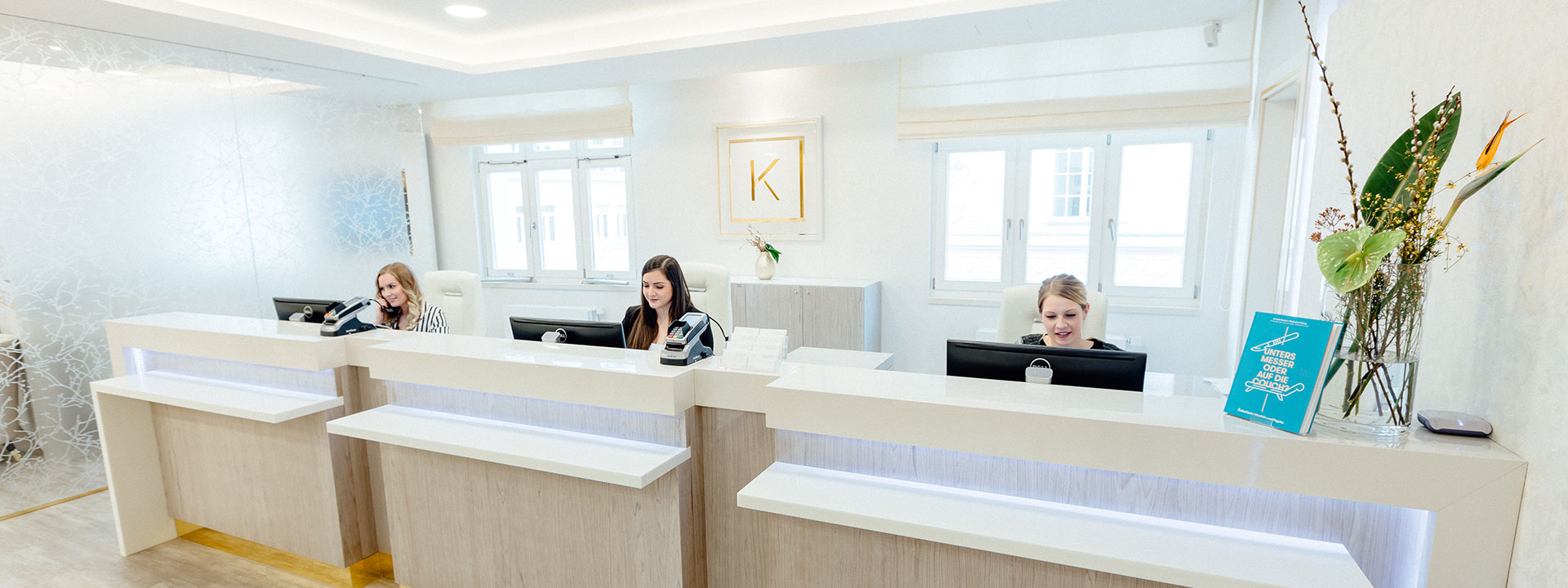
Every facelift begins with booking your consultation. You can arrange your appointment around the clock through our online booking system, or by phone during our opening hours Monday to Friday from 8 am to 6 pm on +43 1 358 28 77.
-
02
The consultation
60 – 90 minutes of personal conversation
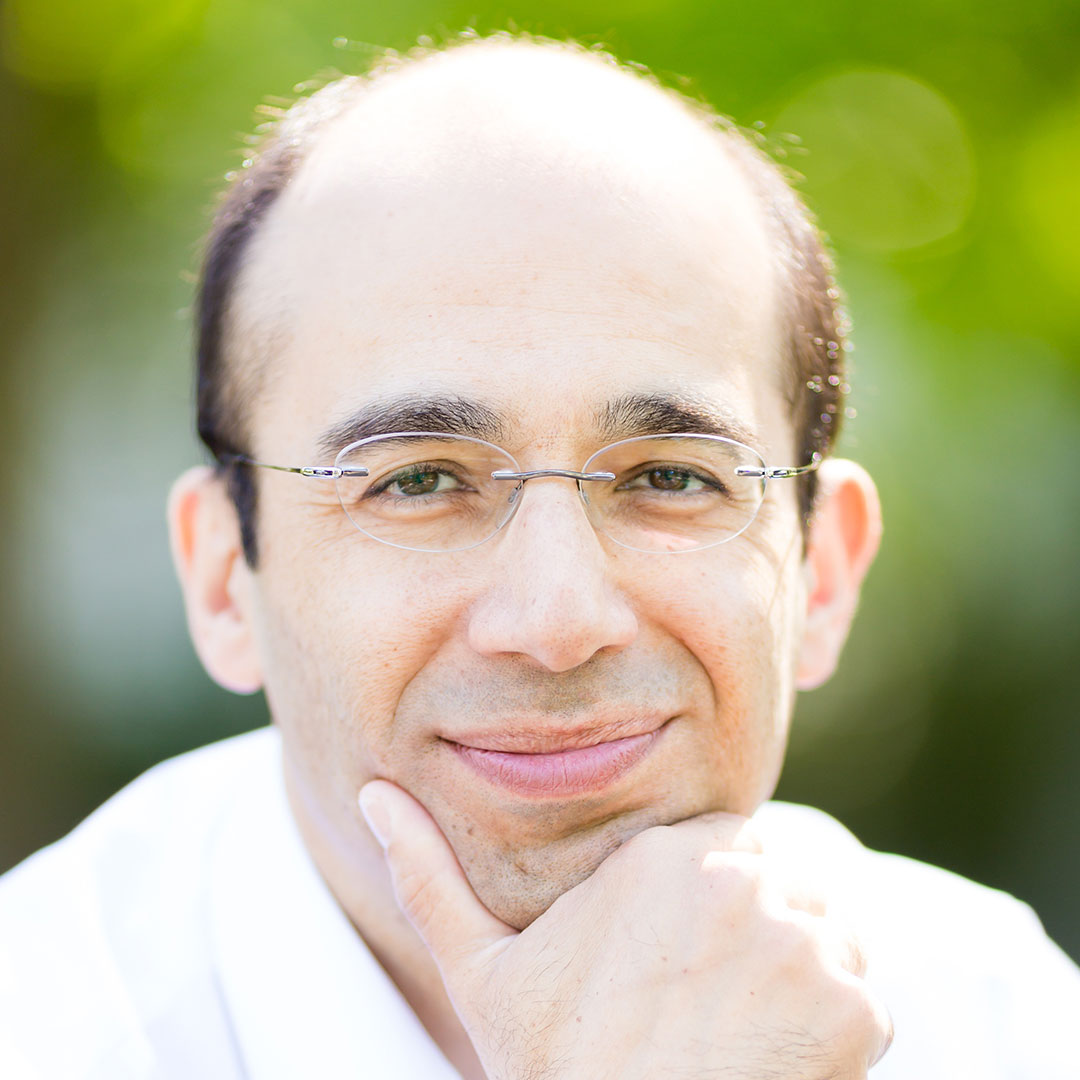
In our detailed consultation we get to know each other personally. We seek to understand your wishes, analyse the age-related changes in your face and develop an operation plan created individually for you. We explain the surgery, how it proceeds and the period afterwards — including the possible risks and all open questions.
-
03
Pre-operative discussion
final plan & all behavioural measures
As soon as you decide to go ahead, our reception team arranges a suitable surgery date. A second appointment with Assoc. Prof. Dr Rafic Kuzbari is scheduled automatically — the pre-operative discussion. You are informed about all measures to be observed before and after the operation, and every detail is discussed once more in peace.
-
04
The operation
our own theatre, a well-rehearsed team
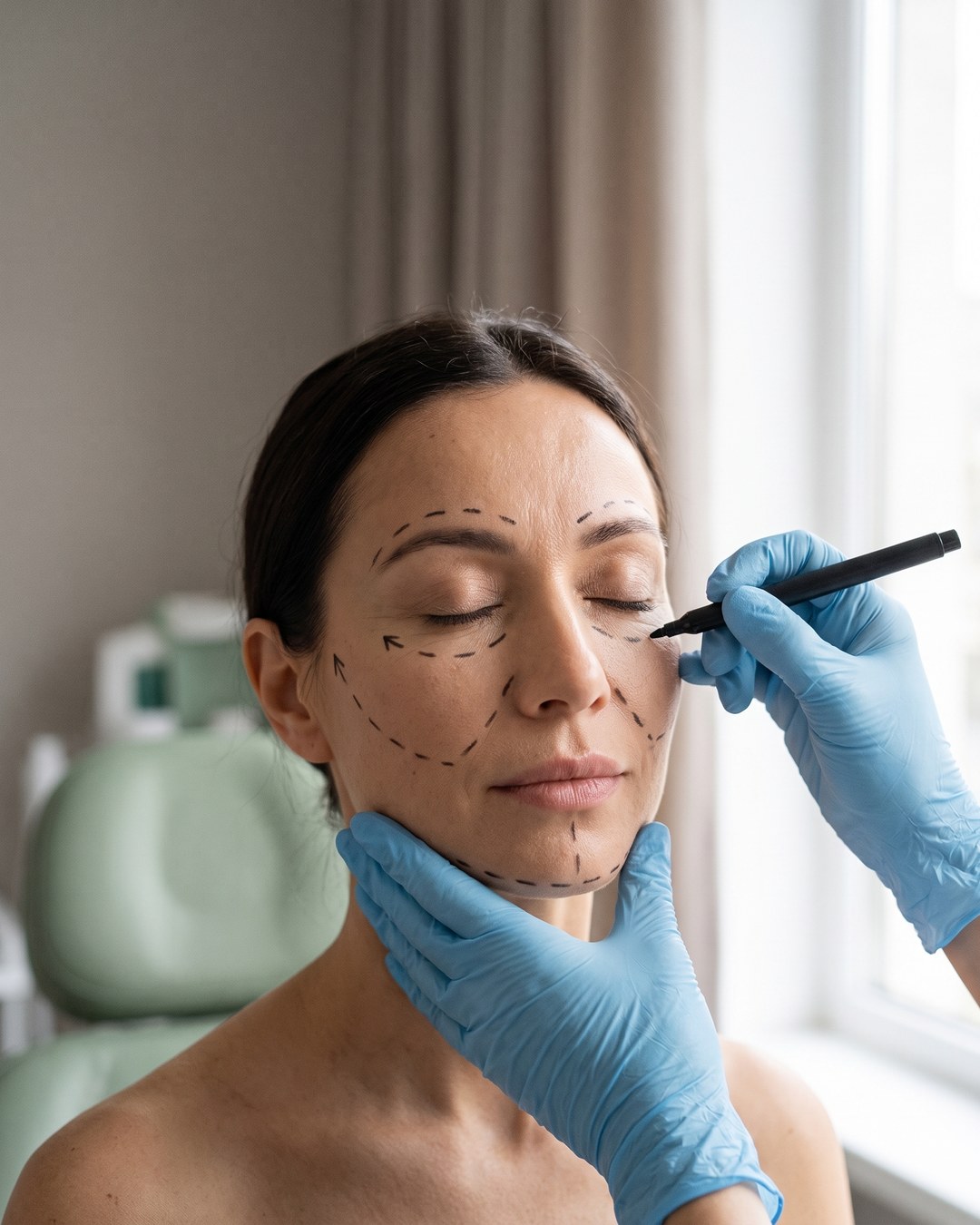
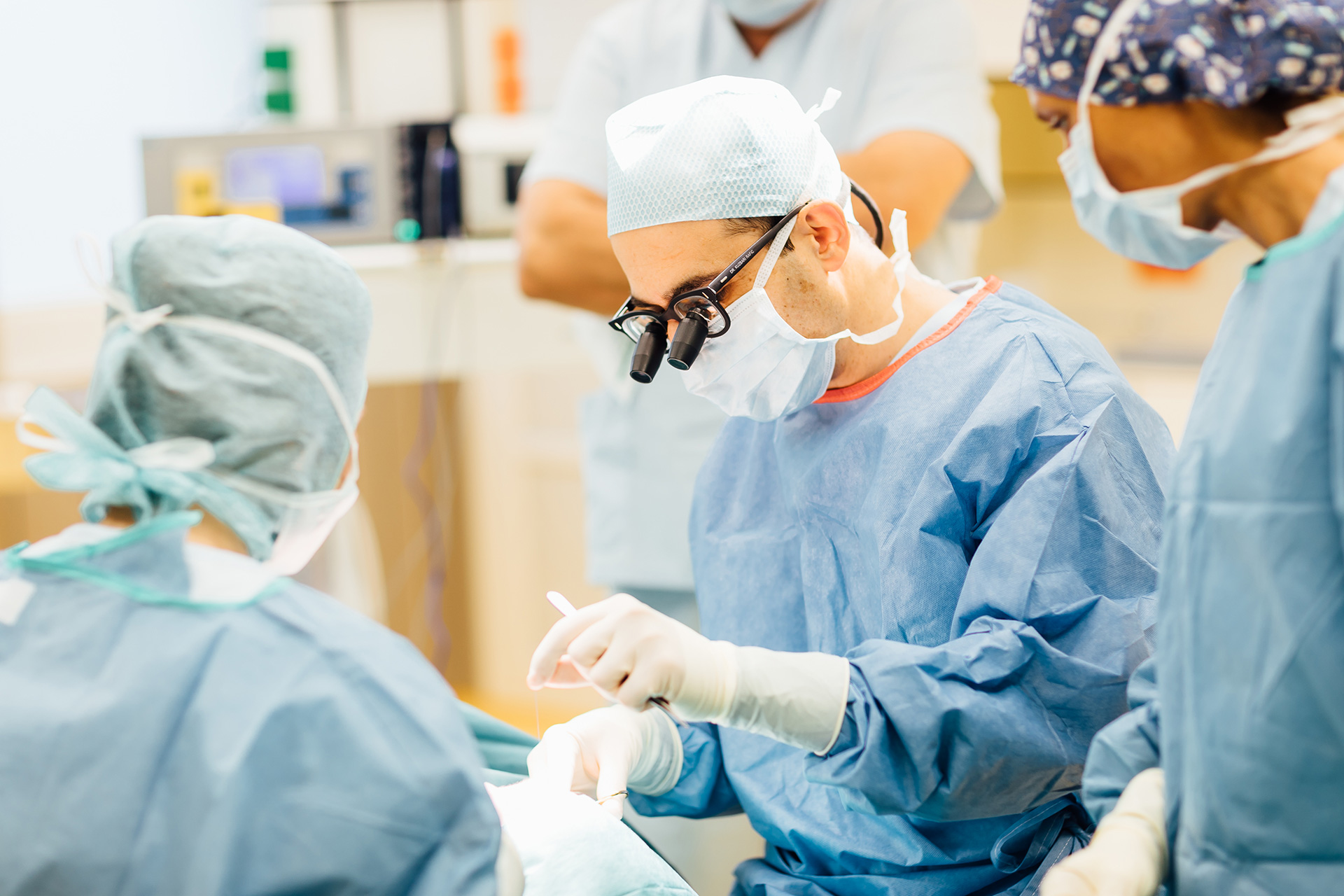
We ask you to arrive punctually at the Kuzbari Centre on the day of surgery. Your surgeon will mark your face with a surgical pen while you are seated and go through the steps once more — many patients find this reassuring. During the operation your surgeon is supported by our experienced theatre team; we use state-of-the-art medical technology and high-quality instruments. Bespoke work, never mass production.
-
05
The first weeks afterwards
close support until you are presentable again
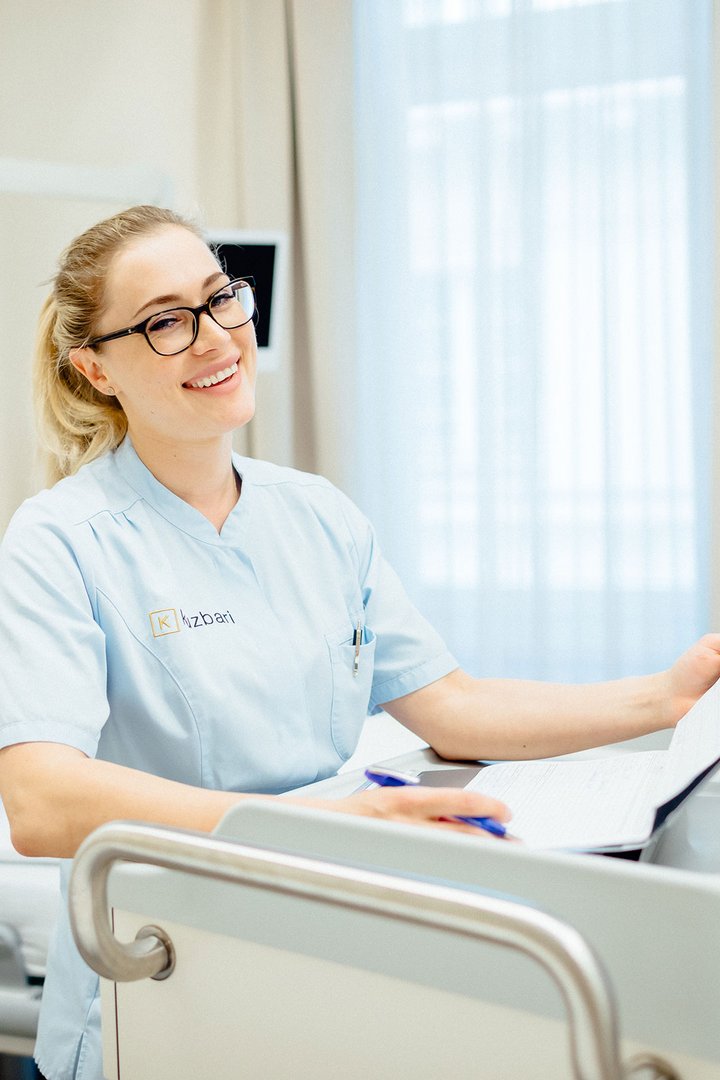
After the operation you recover in peace on our ward — cared for around the clock by our attentive nursing team. Your meals are prepared by the neighbouring Park Hyatt Vienna. On discharge — usually after two nights — you receive valuable advice for your first days at home as well as pain medication for the first few days. We remain reachable for urgent questions.

-
06
Lifelong care
even years after the operation
Our support does not end with the last check-up. We remain your point of contact for everything to do with your result — even years after the procedure. That is the Kuzbari Experience.

An appointment directly with the surgeon of your choice
-
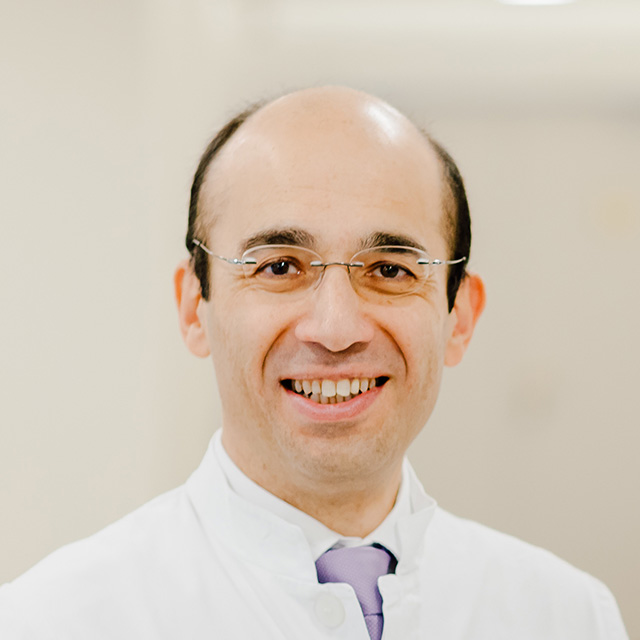
Assoc. Prof. Dr Rafic Kuzbari
Specialist in Plastic, Aesthetic and Reconstructive Surgery
Over 30 years of experience, internationally recognised expert in deep plane and revision facelifts.
-
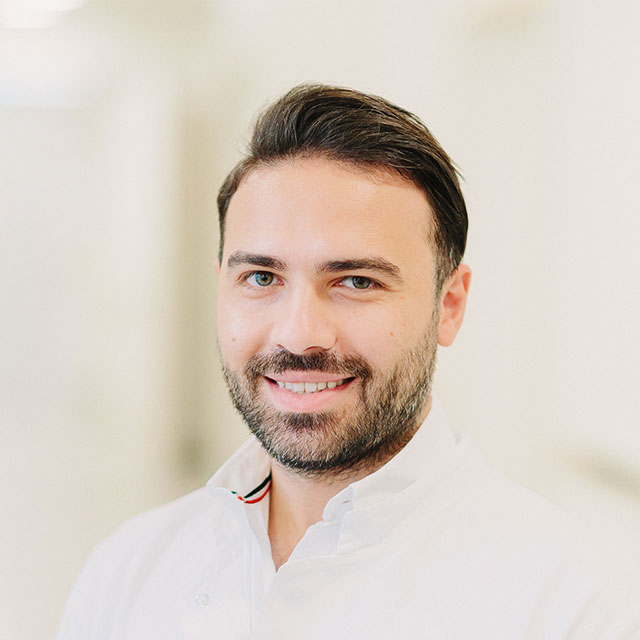
Dr Shawqi Arafat
Specialist in Plastic, Aesthetic and Reconstructive Surgery
Specialist in aesthetic facial surgery with a particular focus on neck lifts, fat grafting and preserving natural expression.